

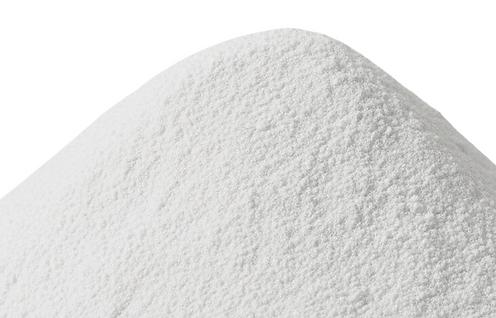
Powder metallurgy is a production process where components are formed and heated in a controlled manner from metal powders. It is beneficial for making parts that have uniform shapes, are manufactured with the minimum amount of material, and have specific performance properties. The selection of powder, however, is very much dependent on the component, the manufacturing process, the operating environment and the properties required. The knowledge of the materials used in powder metallurgy can assist the manufacturer in making a better decision prior to production.
Why Material Selection Matters
The performance of the finished component is directly influenced by the material used in powder metallurgy. The selection may be influenced by factors like strength, hardness, wear resistance, corrosion resistance, density and thermal behavior.
Manufacturers should also take into account the ease of compacting and processing a material. The material may have good performance properties, but be inappropriate because it does not perform well with the production method chosen.
The most effective strategy is to start with the desired properties of the final part and then select the powder based on these properties.
Iron and Steel Powders
Iron-based powders are one of the most frequently used powders in powder metallurgy. People like them a lot because they work well, are easy to buy and adapt smoothly to many build methods.
You can mix extra bits into steel dust to make it far stronger, harder, and way tougher against daily wear. For this reason, various grades could be used for structural, automotive, mechanical or general industrial applications.
When manufacturers require consistent performance in relatively high-volume production, these materials are frequently taken into consideration.
Stainless Steel for Corrosion Resistance
This basic steel powder resists rust and air erosion. Stays tough in wet spots, tough fluids or raw outdoors.
Every steel mix has real gains, like high grit or top rust guard. Picking the best kind comes down to how you form the piece and where it sets to work.
This is especially advantageous where the common iron-based materials might not offer adequate environmental resistance.
Copper and Copper-Based Materials
When electrical and thermal conductivity are a concern, copper powders are usually a consideration. Where efficient heat transfer or electrical performance is desired, copper-based materials can be used for components.
Copper alloys may also have other properties that are not available in pure copper. Depending on the application, the manufacturers may need to balance conductivity and strength, hardness, or wear resistance.
Processing characteristics also should be considered, as copper and its alloys may react differently to manufacturing processes than do iron-based powders.
Nickel and Other Alloy Powders
Nickel-based materials are suitable for use at higher temperatures, in corrosive environments, or for specific mechanical properties. They are suitable to be considered for highly demanding industrial environments where conventional materials are not appropriate.
When a particular combination of properties is desired, other alloy systems may be used. These can be materials that are wear-resistant, strong, magnetic, or thermally stable.
It is therefore important for the manufacturers to consider not only the type of metal but also the whole alloy composition when comparing Powder metallurgy materials.
Choosing a Suitable Powder Supplier
The selection of materials is just one aspect of a purchase. The quality and consistency of the powder may significantly impact production outcomes.
The ideal Metal powder supplier USA should be able to offer clear material specifications and related technical information. The purchaser might require information on chemical composition, particle size distribution, purity, morphology and batch consistency, depending on the application.
Documentation is particularly critical for components that are required to meet certain engineering or quality criteria.
Consider the Complete Production Process
The powder should always be assessed in conjunction with the manufacturing process. The final component can be affected by compaction pressure, sintering temperature, atmosphere, tooling and post-processing.
Production volume and part geometry also need to be taken into account by manufacturers. The material that performs well for one part of the component may not be the most suitable material for another.
It is helpful to test a material under actual production conditions to gain useful information before embarking on larger-scale production.
Conclusion
Manufacturers have a wide range of metal materials to choose from and use in the powder metallurgy process to create parts with varying performance specifications. Depending on the application, each of these materials can be used for a multitude of purposes, such as iron, steel, stainless steel, copper, nickel, and specialized alloys. It is important that the right decision takes into account material properties, processing behavior, quality documentation and production requirements. For companies considering appropriate powder options, they can visit regmetals.com to learn about material options, and consult with a knowledgeable supplier about sourcing requirements. Appropriate material selection can aid in achieving reliable production, and consistent component performance.